Here’s my Junited entry for June 2026. I’ll aim to share one post each day in this note. You can find others who are participating this year in Robert’s Junited page.
June 1st
IndieWeb Carnival (June 2026): No way!? by Alex Hsu is an invitation for bloggers to write about something unexpected that they’ve learned.
Has anything ever happened in your life that felt like a movie plot twist? Something that made you go “No way!?” but turned out to be completely true?
I felt this was an appropriate kickoff to this year’s Junited: if we’re sharing blog posts by people, why not start with one that encourages you to write more blog posts.
If you’re interested in web development or games, you’ll find even more blog posts in Alex’s blog that will likely interest you.
June 2nd
Jodi’s The Curious About Everything Newsletter is always such a joy when a new issue finds its way to my RSS reader. Most of the blogs I follow, fall into one of maybe two or three categories and what I end up reading thus tends to be of a limited pool of topics.
This newsletter however, exposes me to wonderful stories from so many different topics that I would have never ran into otherwise. One of my favourites from the 63rd issue was this Ella Frances Sanders’ piece on weather that taught me words like gluggaveður (Icelandic) and hatsuyuki (Japanese) that I’ll try to incorporate into my day-to-day life.
June 3rd
This is not exactly a blog post and it’s 20 years old thing but I learned about it today and it’s a lot of fun so I’m using Junited as an excuse to tell you about it.
Rock-Paper-Scissors is a classic game. Rock beats Scissors, Scissors beat Paper and Paper beats Rock.
But how about Rock-Paper-Scissors 101 that has 101 different options instead of just the boring three.
Here it is… the largest creative project I’ve ever worked on, period. A 101-gesture version of Rock-Paper-Scissors. It is a game so complex, I highly doubt anyone will actually even want to attempt to play it. It’s not just remembering what beats what, but remembering how to actually say all 5,050 outcomes is something only a savant could manage.
My favourite is obviously number 39, a Train.
It
- requires Brains
- scares Duck
- reflects Rainbow
- intriques Alien
- amuses Devil
among other things.
If you want to learn more about to get from RPS to RPS-101, Fractal Philosophy has a nice video Rock Paper Scissors 2 that goes deeper into the math:
To do that we analyze Rock Paper Scissors from a mathematics and game design perspective, looking at the topological and mechanical properties that make it work. We then look at variants on the core rules, and how most of them make the game worse instead of better. After, we look at how larger video games use Rock Paper Scissors in different ways to get around those difficulties, and use that as the basis for introducing the two paradoxical RPS variant - something I think has a large amount of untapped potential as a game mechanic.
Today’s entry went a bit more towards TILvember than Junited but we can’t all be perfect all the time.
June 4th
Designing with Mustard by Anna E. Cook is a wonderful piece about design, design tools and prototyping.
It’s a really good read for anyone who works with any kind of product, whether physical or digital. She writes about the different goals of prototypes and how those drive your decisions for choosing the tools and approaches for building them.
The article also is a take on using generative AI for prototyping.
Models only know averages. And no human is average.
Design is the edges. It’s the human reasoning, strategy, empathy, and collaboration required to think within and beyond our own lived experiences.
AI cannot replace that.
and
One thing about designing that I didn’t fully appreciate earlier in my career: the act of making something is how you figure out what it is. It’s the process of taking role, look and feel, and implementation questions and finding answers until you integrate it together into one cohesive solution.
(I have similar ideas about AI with your notes and how thinking IS the important part of the process)
June 5th
Vim is a text/code editor that keeps giving. I’ve been using it since 2013 and yet I still keep learning new handy things. Today, I learned about set tildeop from R. L. Dane’s The Motion that Changed Everything.
With the tildeop set, you can use ~ in combination with the rest of vim’s motions to switch the casing between lower and upper case. A ~w changes the entire word, ~~ (double tilde) changes the entire line, ~2w changes next two words and so on.
Changing the case of words isn’t something that comes up all that often in my writing or coding but it’s good to know that there’s a better way for it than manually removing and replacing characters or words.
I’m also happy to learn about Vim Carnival and this month’s theme “The Motion That Changed Everything” that the post is an entry to inspired me to think about writing an entry of my own.
June 6th
I love Emma Goto’s blog. She writes about her hikes in Japan with stunning photos and stories. For this Junited entry, I picked Mt Asama (Mt Maekake): hiking Karuizawa’s active volcano from last week but there are so many nice ones to read.
When I was younger and in better physical fit, I enjoyed roaming in the forests. My only hike though was when I was 15 when we hiked for a couple of weeks in the Finnish wilderness. These days, I mostly live through other people’s hike stories. Another hiker who I follow is Aino Kallio who makes videos of her hikes in Youtube.
June 7th
Chad Whitacre’s I Am Retiring from Tech to Live Offline is a cool use of thematic medium and crossing digital with analogue.
He wrote a two-page letter to the internet with a typewriter and added annotations like red pen additions and stamps. The letter itself is about his decision to retire from tech.
One big downside though is that there’s no alt text for the images of the letters and no other way to read otherwise great letters.
June 8th
Of Dice and Meeples is a digital APA board game zine — a collection of other zines and articles on the topic — and their second issue just landed last weekend. The second issues’s theme was racing games and there are a bunch of great stuff to read in there! The June issue of my Roll the Zine was also part of this month’s publication.
The PDF is ~40 MB so I won’t link to it directly but you can find the link to the 2nd issue from the frontpage.
June 9th
Inclusive Android Apps #7: The Problem of Inacessible Inline Links is a brand new edition of Eevis’ newsletter about accessible Android apps. This specific issue focuses on inline links and how to use LinkAnnotation.Url to make them accessible.
If you’re interested in accessibility in general, their blog is a great place full of wonderful articles and insights.
June 10th
I used to use Plex as my media server in the past but their fall into the darkness of enshittification that started years ago made me first stop using it at all and then later I switched to Jellyfin. I’ve now been running it for a while as part of my homelab and I’m very satisfied.
The Unknown Universe’s article Plex, the Slow Creep of Enshittification is a very good article chronicling Plex’s downfall in the past years.
I can’t remember in which order these happened but there were two things especially that made me run away fast. One of them was when they decided that I need to pay them to watch my own movies with a software that I run in my server. Second was when they started sending emails about what I’ve been watching to other people who had access to some shares. It was creepy as fuck and it wasn’t opt-in.
June 11th
My experience with coaching is very limited but I’ve been mentoring (and being mentored) for quite a few years throughout my studies and career. I’ve also done a few workshops/small courses on coaching so it’s something I’m familiar with and interested in.
Neil Vass’s Coaching: When you’re asked for your own expertise is a really nice article exploring the balance between asking questions and providing answers or advice when coaching someone — especially when they specifically ask for advice.
June 12th
This week, I finally got to see Una Kravets talk about web development live in Future Frontend (you can check it too from the livestream). She’s such a great speaker whose talks and insights I’ve been enjoying for years.
For Junited, I wanna highlight Ten modern layouts in one line of CSS and its accompanying website 1-Line Layouts. There are ten cool and very useful layout snippets for CSS grid and flexbox based systems.
June 13th
I love how Jim Nielsen writes about software development as a craft and iterating over the UI similar to sanding in woodworking in Sanding UI.
It’s kind of a QA tactic in a sense, just click around and try to break stuff. But I like to think of it as being more akin to woodworking. You have a plank of wood and you run it through the belt sander to get all the big, coarse stuff smoothed down. Then you pull out the hand sander, sand a spot, run your hand over it, feel for splinters, sand it some more, over and over until you’re satisfied with the result.
His conclusion of
It’s a small thing, but lots of small splinters lead to an agonizing experience.
is a very important one. Especially since there’s a big difference between how an app is used by the person designing and developing it and a power user using it. Someone using a tool through its UI hundreds of times a day every day is going to run into very different issues and experiences than the designer or developer.
June 14th
I’m continuing with the same topic of building great products from yesterday. Every Frame Perfect from Nikita Prokopov talks about polishing the small details of animations.
Why care about every frame? It builds trust. Users can’t see the code, so UI is the only way for them to judge the quality of the app. If UI looks good, that means developers had time to polish it, which means that they probably spent a comparable amount of time to iron out the code. It’s a heuristic, but a reasonable one.
He has good examples with videos about UI changes that have weird little quirks. Sometimes, they don’t show up to the end user because things happen fast enough but sometimes they do and they can make the software feel sluggish or clunky or unpolished.
June 15th
I’m a procrastinator, through and through. When I was in the university, every time the exam week rolled in, my apartment was shiny and super clean because while procrastinating from reading to exams, I was cleaning.
Rather than having it become a major issue, over the years I’ve learned how to harness its power.
Last month, Frances participated in the IndieWeb Carnival I hosted and through some rummaging through the blog archives, I discovered Procrastinating productively which points to John Perry’s Structured Procrastination.
John writes
Procrastinators often follow exactly the wrong tack. They try to minimize their commitments, assuming that if they have only a few things to do, they will quit procrastinating and get them done. But this goes contrary to the basic nature of the procrastinator and destroys his most important source of motivation. The few tasks on his list will be by definition the most important, and the only way to avoid doing them will be to do nothing. This is a way to become a couch potato, not an effective human being.
June 16th
I love conference recap blog posts like this one about Nik’s experience in PyCon US 2026.
By and large I interacted with smiling, pleasant people, who were talking about the things that bring them joy and are worth getting and being excited about in this Python/tech world of ours. Many had (frequently nascent) projects they wanted to share with others, events they were organizing, and hobbies to nerd out on. They were curious about what others were into, looking for overlap and resulting connection.
The best part of conference is meeting other people who share your interest and are excited to talk about them with you.
Nik also links to a bunch of other people’s recaps of the events which is always wonderful.
June 17th
Brennan is building folk.zone, a collection of indie web services like Mastodon, Lemmy, IRC, blog, Pixelfed and more. In the blog post Announcing folk.zone: An attempt to build the IndieWeb commons myself., he explains the reasons behind starting folk.zone:
The IndieWeb only works if people who believe in it are willing to do the actual work. Not just write about it and attend the virtual meetups, but host the services, manage the servers, and deal with the 3am crashes. I’m in a position to do that now. I have the hardware. I have the skills. And most importantly, I have the quixotic drive for such projects.
Big thumbs up from me for Brennan starting this project!
June 18th
headingoffset sounds like a wonderful new attribute to HTML. Manuel Matuzović has written a great article explaining how it would work. In a world where we build things a lot in components (or writing in Markdown) and we might not know where they land in respect with other heading levels, I’ve been wishing for something like this to exist.
For example, if I write a pull request or issue in GitHub or answer a question in Stack Overflow, the heading system is likely going to go haywire because when I’m writing it, I don’t exactly know what the surrounding levels are.
June 19th
Us techies tend to have a shiny object syndrome where you always feel some kind of urge to buy the newest stuff, even when you don’t really need them. With Home automation, that’s even more true when you start to realise that your old devices are not compatible with all the new smart home stuff.
Home Assistant has been adding new features lately to make it easier to proxy old devices into your smart home system. I love it! I don’t currently have any devices that I’d need to proxy in but I’m excited to keep my eye on the developments in the community for what people build to get some ideas.
June 20th
This is an old blog post from over a year ago but somehow I had completely missed it: Portal: Revolution 2 is in works!
Portal: Revolution is an excellent mod for Portal 2. It has such a strong Portal feel that one could easily think it’s an official game in the series. The puzzles are harder than the mainline games but in a really well designed way. Sometimes (like with another mod Portal Stories: Mel), the difficulty increases because it’s hard to know what you’re supposed to do and I think that’s bad puzzle design.
With Portal: Revolution, it’s pretty much always clear what you need to do and the difficulty comes from figuring out how to do it. That’s why I really love that game and I’m so excited there’s eventually going to be a sequel.
June 21st
I Could’ve Rickrolled the Entire FIFA World Cup. All I Needed Was My ID. is BobDaHacker’s great post about the horrifyingly bad client-side only security measurements FIFA’s systems had during the beginning of the World Cup.
Except this was all client-side. The Angular app checked the JWT for a
NO_ROLESmarker and rendered the access-denied page. The backend APIs? They didn’t check anything. They just served whatever you asked for.
June 22nd
Ana wrote about her experience as the MC of CSS Day and her ending remarks were really good and worth repeating here for people in the back
Throughout the day, when introducing our wonderful speakers, I’ve highlighted their work outside their jobs: their passion, their blogs, their writing and their voice. As an IndieWeb person, I can’t stress enough how having your personal website, blogs and sharing what you’ve learned changes your life. But, like Kevin said on his blog post I mentioned earlier, it’s getting harder for folks to keep their motivation. Your LLM of choice only outputs things because of the sweat and dedication that people in this room have put in. And yet, I still want to encourage folks not to give up.
In the last two days, we saw amazing and creative talks that are the perfect reminder to let the computer do what the computer is good at. But the things you saw that got your heart racing and pumped with excitement were human-made and human thought. So, when you have a minute in the next couple of days, say thank you to the invaluable people in our community, or even better: go build something and share it far and wide.”
June 23rd
Stefan Judis’ Web Weekly is a must read weekly blog/newsletter for people who work in frontend web development. This week’s was already 195th, very impressive amount especially given the high quality of insights Stefan provides to readers.
June 24th
Tim Kamanin makes a strong point on how Wagtail can be used as a more polished admin UI for Django projects instead of using the built-in admin panel.
Making Django admin modern and more user-friendly would require a separate team working on it full time, which sounds unachievable. But I might surprise you here — such a team exists. An open source group of collaborators and hundreds of contributors that’s been working on a slick Django admin UI for more than a decade. This is the Wagtail CMS team.
June 25th
There are colors that I want to show you, but I can’t. They exist in the real world. You probably saw some of them today, but I can’t show them to you on a screen. A digital photograph can’t capture them, and your screen can’t display them. No game you’ve ever played has contained them. Unless you have specialized equipment, they are entirely absent from the digital world.
When an article starts like this, it’s a very appealing beginning.
That’s how Where to Find the Colors Your Screen Can’t Show You by Ryan Moulton starts and it only gets better from there. Ryan writes at depth about colours, how we see them and why screens are able to display some colours but not all. There are a ton of beautiful photos and interesting graphs.
The article ends with
I can only speak for myself, but I noticed a very consistent pattern in my own sensations as I was searching for and studying color. I didn’t actually notice them, until I knew, and once I knew I couldn’t believe that I hadn’t noticed before. When you know what to look for, you attend to the sensations more closely, and they rise higher in your awareness than they otherwise would have. This is perhaps akin to what meditators report about their experience of their own self. When you ruminate on something you experience more of it.
June 26th
Frances writes about what they’ve learned through and about blogging and it’s a wonderful retrospective on one’s journey. One thing really popped out from it to me:
And honestly I find that easier than in the beginning when I was doing it haphazardly maybe once a week. Doing creativity makes me more creative. I just have to ride that cycle.
I have written about this same experience in Done is the engine of more in which I gave three reasons why I think it is that way: finishing things inspires to make more, having momentum lowers the threshold to get started and having something finished makes it possible to get feedback from others.
June 27th
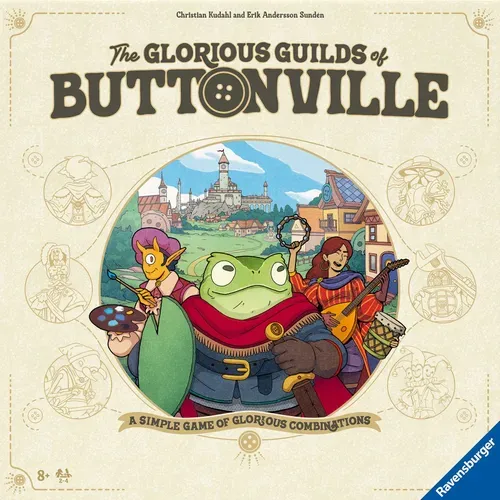
I love reading design diaries by board game designers. I subscribe to Board Game Geek’s design diary blog in my RSS reader and day after day, I get to learn not only about new games but the work that went into creating them.
Designer Diary: The Glorious Guilds of Buttonville is today’s entry so I’ve chosen it for Junited but I highly recommend going through the archives and subscribe if board games are your jam. It’s a blog where pretty much every post is by a different designer.
I have not played the game so I can’t really say anything about that but just look at this gorgeous box art and then make your decisions.
June 28th
Benjamin Hollon wrote a nice post about small web discovery in A Secret Web. It’s a really good read for anyone who wants to be part of that web or find more interesting blogs to follow.
He writes about human curation (which is a topic close to my heart) and the importance of linking to other blogs and sites. One quote I want to highlight about that is this:
The big difference between the secret web and the large, messy corporate web is that people on it frequently link and reply to each other’s websites and blog posts, creating a compact network of people with related ideas and interests, while on the corporate web companies profit from keeping you on their site and link outwards begrudgingly.
Especially since the 2010s when Facebook took over the Internet and people moved more and more — many exclusively — to social media sites, we’ve experienced such a drastic movement by these companies to limit sharing. These restrictions have come and gone as companies try to find the most amount of “keep everyone here at any cost” they can do without alienating too big portion of the user base.
That’s the part I love about the small web community.
June 29th
I’m a big fan of learning in public (also sometimes called building in public or working with the garage door open).
Giles has a great blog post Working in the open ≠ comms in which he contrasts the two by their intention:
Comms is about broadcasting achievements and results. It’s an act of promotion.
[ - - ]
Working in the open is about making work visible. It’s an act of sharing.
and a great insights for how to approach it with your team:
If you’re in charge, it’s important to grasp this. Don’t conflate the two approaches. Don’t ask your teams to do working in the open and expect that it will result in positive news coverage (it might, but only as a byproduct, not as a stated goal). Don’t ask your teams to do comms and expect it to make the work visible, at the speed that the work happens. Don’t pick one approach, and expect it to do both things.
June 30th
How to tame a user interface using a spreadsheet by Matt Sephton is an interesting look into using spreadsheets for designing UIs. He starts with
I mentioned to him how human interface designers at Apple were using Keynote to rapidly prototype user interfaces and animations. The discussion then took a strange turn onto spreadsheets.
which caught my attention immediately because I’ve been teaching people in our local startup scene how to do the same.
He then goes on to showcase a few examples of user interfaces he has designed with spreadsheets.